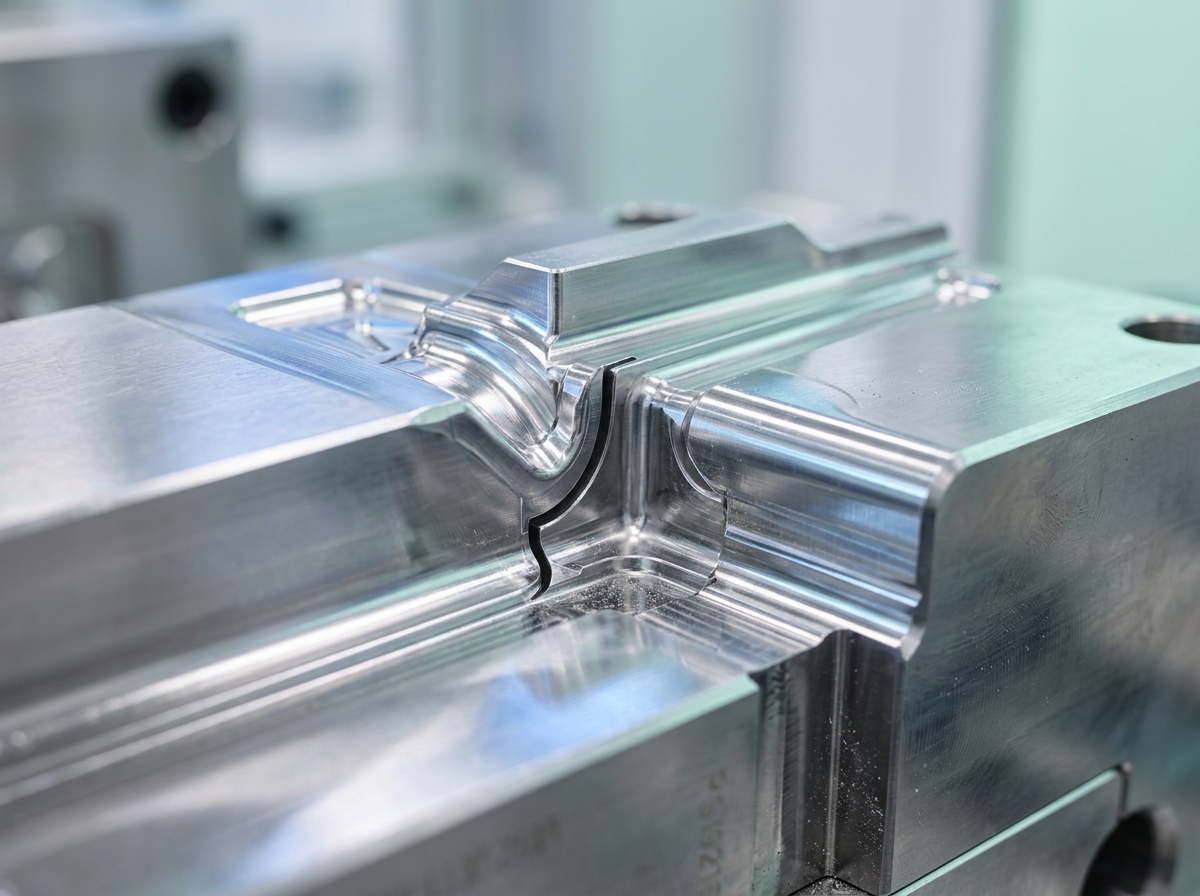
Metallurgy & Steel10 min read
Injection Mold Steel Selection: P20, 718H, S136, NAK80 & 1.2343 ESR
A rigorous metallurgical comparison of pre-hardened vs. through-hardened mold steels: Rockwell hardness (HRC), SPI polishability, corrosion resistance against flame retardants, and SPI Class 101 to 105 tooling lifespan.
Key rule: Select S136/1.2083 for optical polish & corrosive resins; 718H for large core/cavity blocks; NAK80 for zero-stress EDM texturing.
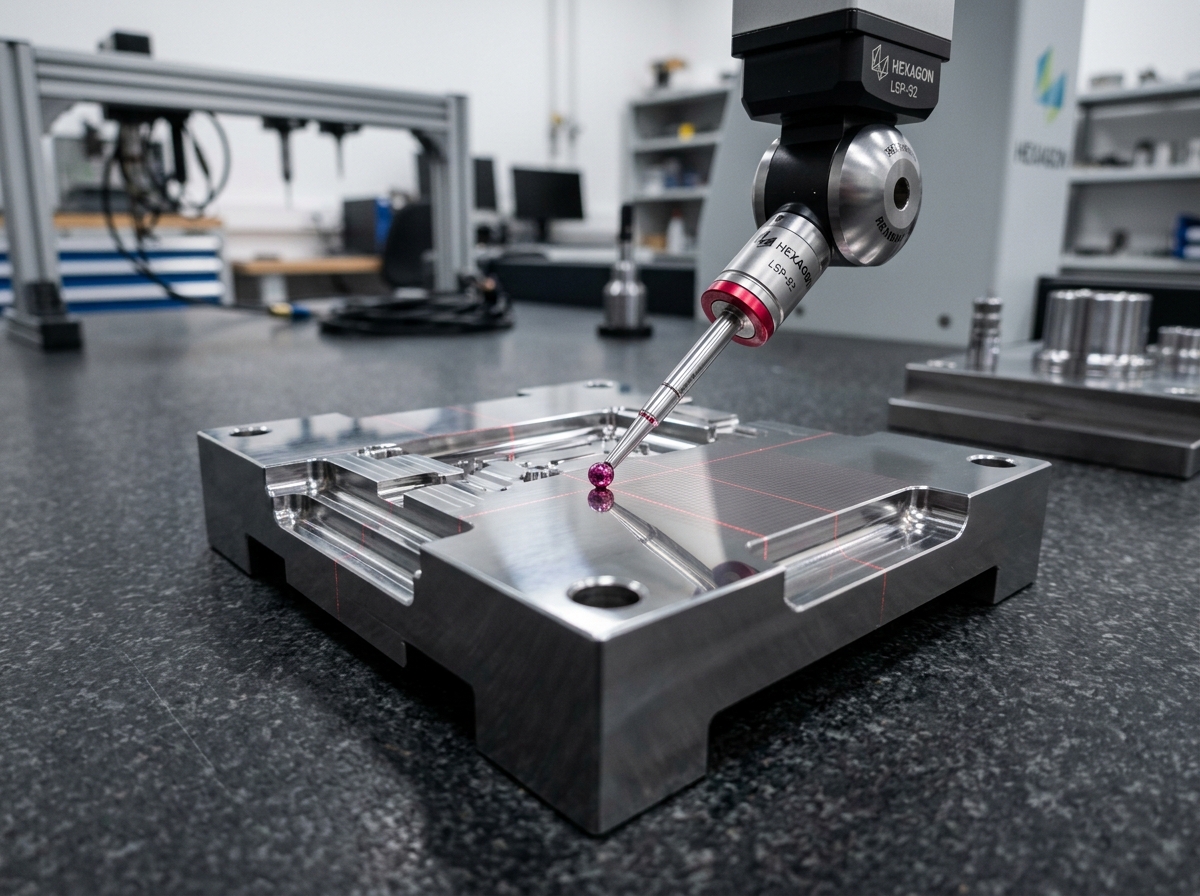
Tolerances & Standards12 min read
Plastic Injection Molding Tolerances: DIN 16742 & ISO 20457 Engineering Guide
Practical engineering tolerances for injection molded plastic parts: Tolerance Groups TG1 to TG9, mold-bound vs. non-mold-bound dimensions, anisotropic shrinkage compensation, and steel-safe tooling adjustments.
Key rule: Mold-bound features reliably achieve TG3 to TG4 (±0.05 to 0.10 mm); parting line and slider crossings require TG5 to TG6 (±0.12 to 0.20 mm).
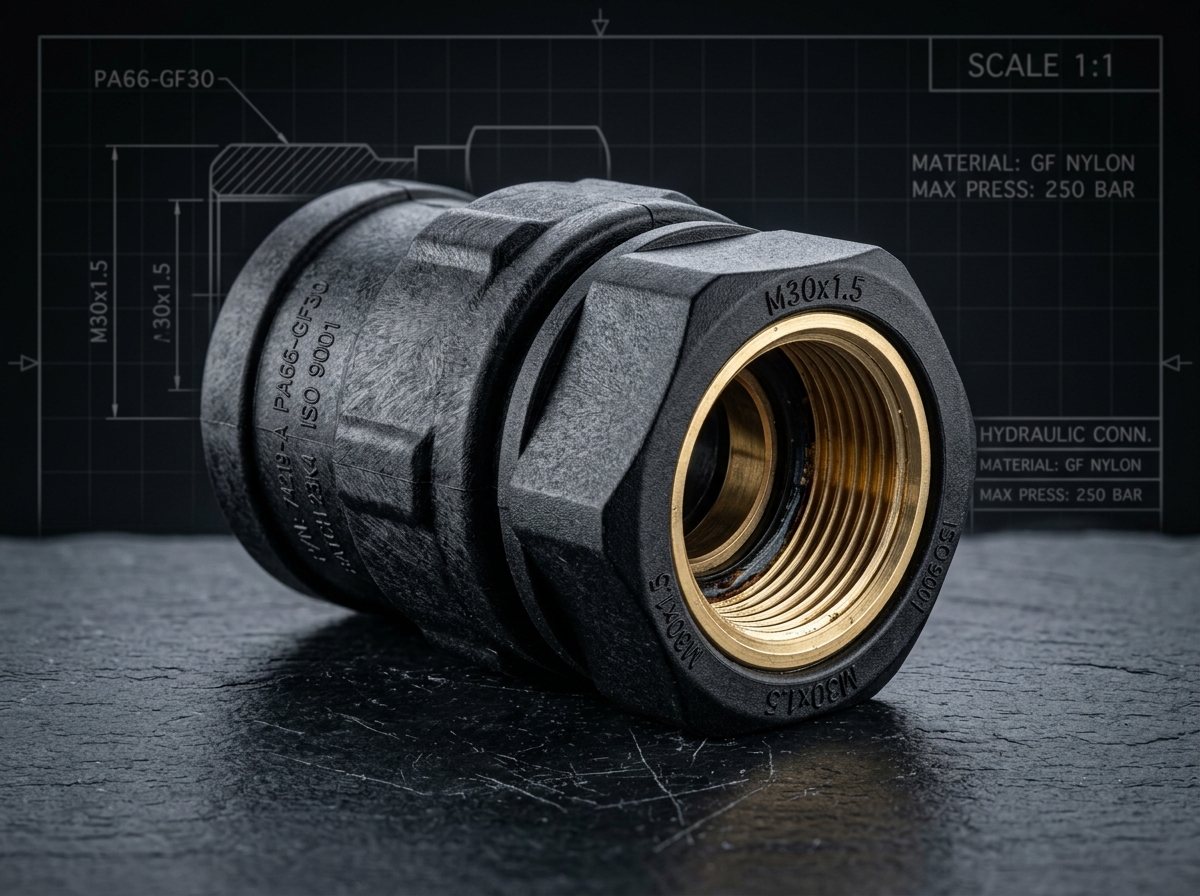
Thermal & Cooling9 min read
Mold Cooling Thermodynamics: Heat Flux & 3D Conformal Waterline Optimization
Thermal calculations for injection molds: heat extraction formulas, Reynolds number (Re ≥ 4000) for turbulent coolant flow, cycle time reduction equations, and DMLS 3D printed conformal cooling economics.
Key rule: Cooling time scales with the square of wall thickness; turbulent flow increases heat transfer by 300%; core/cavity ΔT ≤ 2°C eliminates warpage.
