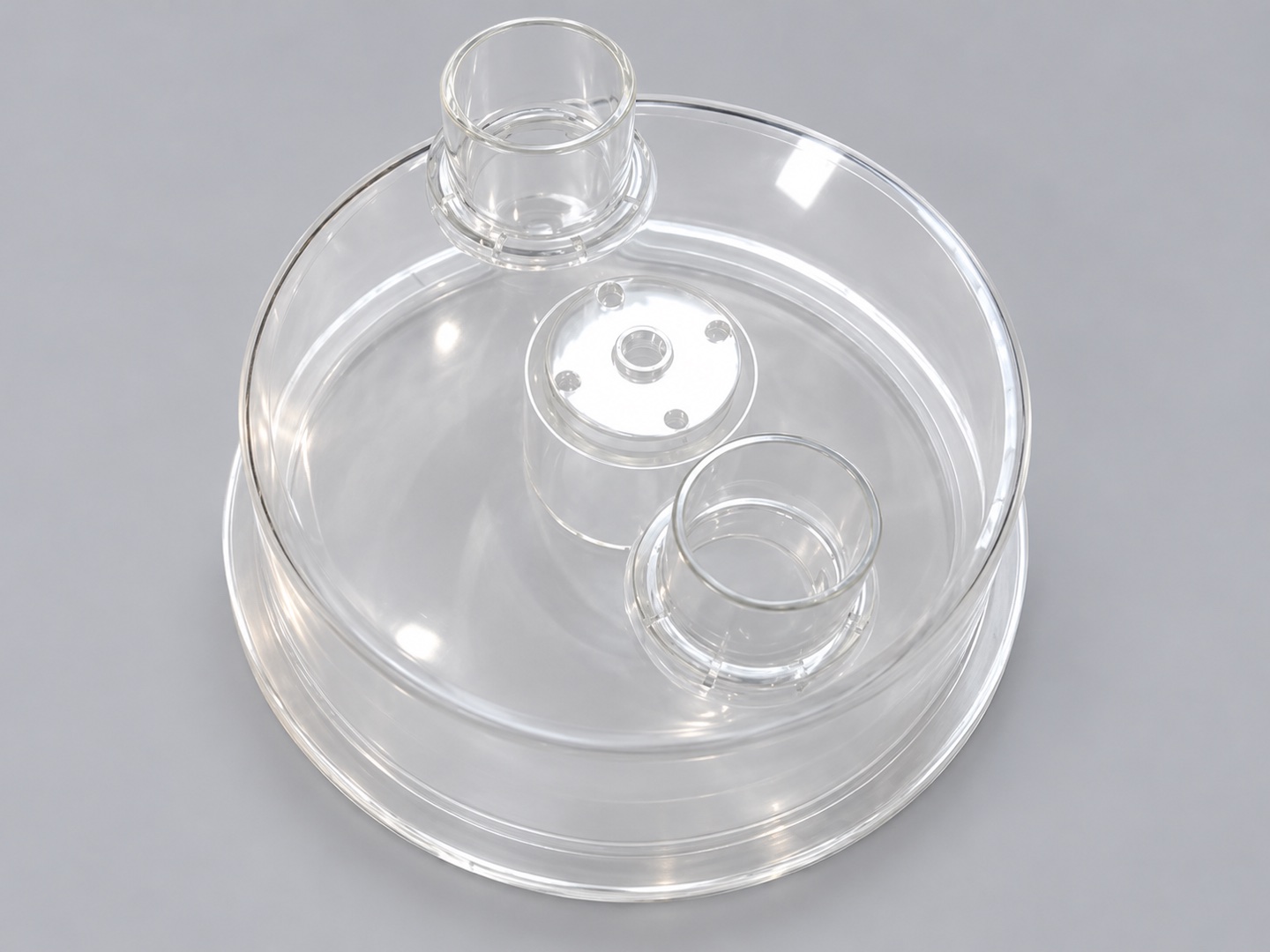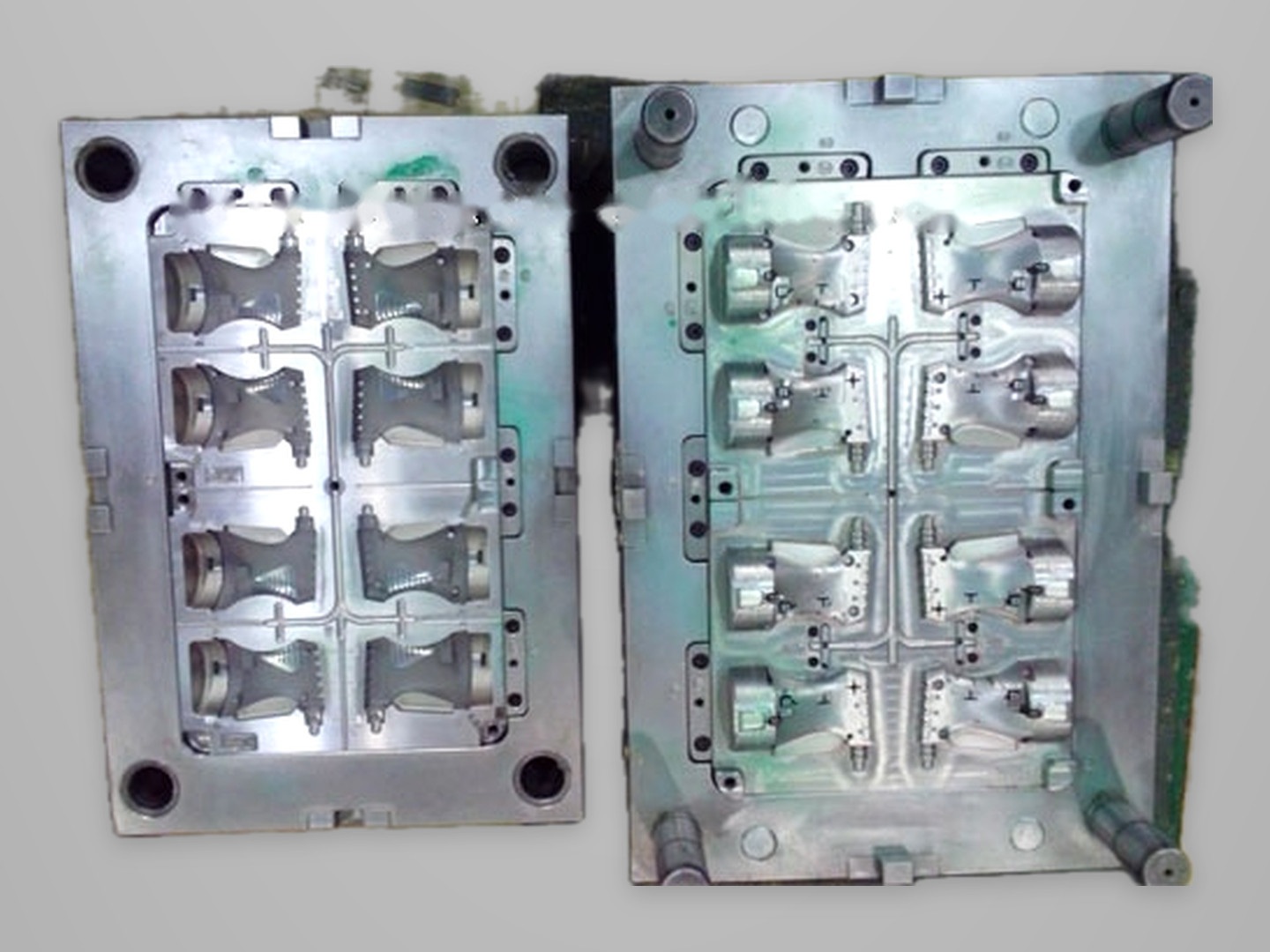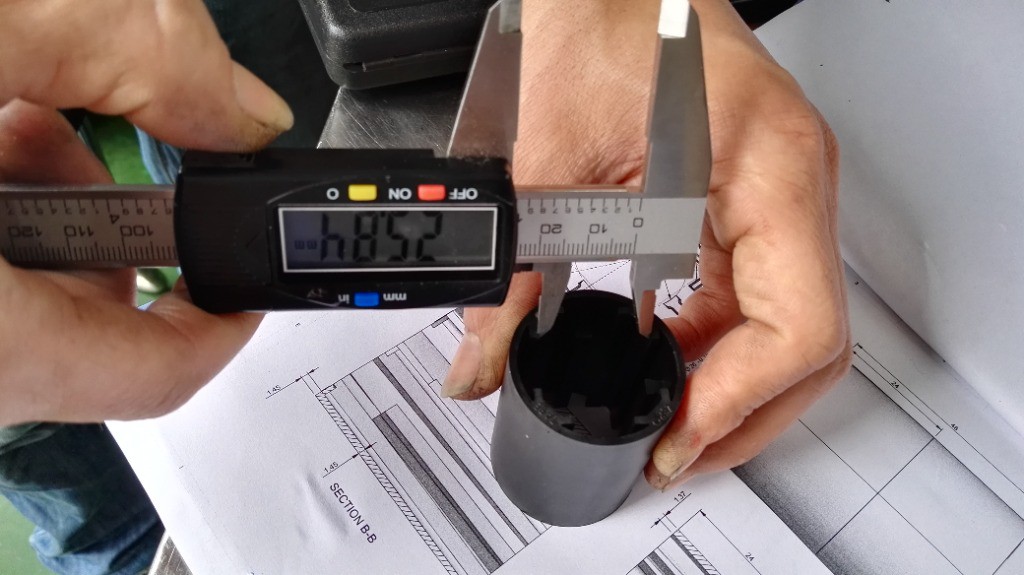
Draft angle
Review surface slopes along the demolding direction so the part can release from the mold, and note where parting or ejector marks may appear.
Review part design and manufacturability with our team. Discuss custom mold making, plastic molding, overmolding and metal insert molding for electronics and industrial or medical instrument components.
Start with the part and the required interface. We can review the tooling and molding approach against your drawings and acceptance requirements.
Discuss substrate, overmold material, bonding, geometry and appearance for electronic or equipment components.
Explore service02Plan insert positioning, retention, plastic flow and inspection around the required metal-to-plastic interface.
Explore service03Develop a tool from an approved part design, with DFM, mold design, trial and acceptance defined for the project.
Explore service04Review resin, part geometry, finish, production volume and inspection requirements before setting molding scope.
Explore serviceShare a drawing or model to discuss feasibility. Formal DFM work follows the agreed order scope; any design change is reviewed with you before tooling proceeds.
Review surface slopes along the demolding direction so the part can release from the mold, and note where parting or ejector marks may appear.
Review transitions, ribs and bosses against sink, warpage and filling risks for the selected material.
Discuss undercuts, slides and ejection access before the tooling approach is approved.
A look at the engineering office, injection molding production area and machining workshop.


These are existing catalog listings. Confirm final geometry, process, material and application against the project drawing.


The sequence shows the main decision points. Specific analyses, inspection records and timing are agreed for each project.
Agree confidentiality terms when needed, then share the approved drawing revision and project requirements.
Review scope, material, volume, acceptance and commercial terms. Confirm the order before formal DFM work.
Review draft angles, wall thickness and ejection; propose changes for customer approval. Analysis and design deliverables follow the agreed scope.
Make and assemble the mold to the approved design, with the actual process sequence set by the tool.
Review trial samples and agreed inspection results. Record feedback and confirm any adjustments before approval.
Agree mold acceptance and dispatch checklist, then package and arrange delivery. Part production follows the separately agreed molding scope.
Specify the resin grade, source requirements, finish, anticipated quantity and part drawing. Available process and size range are confirmed for the selected material and design.
Plastic molding detailsAgree the drawing revision, critical features, measurement method and any material or inspection records for your project. Reports and test scope depend on the part and application.
Tooling requirement guidesShare the application, drawing revision, target material, expected quantity and acceptance requirements you can disclose. If CAD is confidential, ask about an NDA before exchanging files.